
Chapter 2
Using the Corporate Rulebook as an Exit Strategy
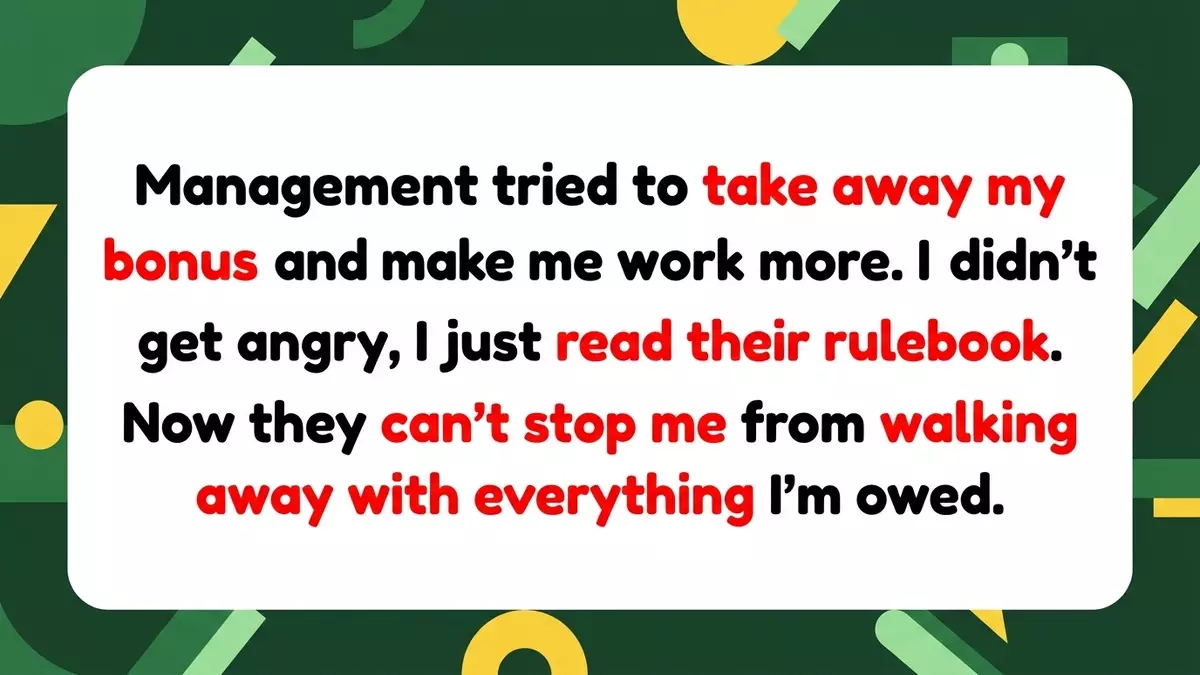
Watching a stellar employee downshift into doing the bare minimum is a classic symptom of a broken incentive structure. When the operations specialist realized his extra efforts only resulted in exploitation, he naturally chose to protect his well-being by matching his output exactly to his lowered pay scale.
However, the real twist came during his departure. Rather than throwing a tantrum or walking out empty-handed, the specialist meticulously studied the company’s own rigid guidelines and compliance rules.
By executing his daily tasks strictly by the book—without cutting corners or providing free voluntary labor—he exposed the fundamental flaws in the company's understaffed operational model. He utilized their exact policies to secure every ounce of his remaining benefits, accrued leave, and earned payouts, leaving the company completely powerless to stop him.
The Immediate Operational Fallout
The moment the top performer stopped carrying the weight of the entire department, the cracks in the system split wide open:
-
Queue Stagnation: The ticket queues, which had been perfectly managed, immediately spiraled out of control.
-
Backlog Cascades: Minor inventory issues quickly snowballing into massive operational bottlenecks.
-
Management Panic: Leadership realizing too late that their middle managers lacked the training and capacity to handle daily frontline operations.
Public Verdict: Did the Company Get What It Deserved?
When this corporate showdown was shared online, the internet community rallied enthusiastically behind the employee.
Many pointed out the sheer absurdity of punishing a worker for being too efficient. Commenters noted that while some argue strict corporate guidelines leave middle managers with very little wiggle room to reward exceptional staff, failing to protect top talent is simply bad business.
"They wanted to pay for baseline work, so they got baseline results. You can't cut a man's bonus and expect him to keep saving the company from its own bad management."
While a few practical commenters warned that companies will ultimately survive without any single "indispensable" worker, the consensus was clear: the company got exactly what it negotiated for. True leadership lies in nurturing and protecting talent, not exploiting it for short-term financial gains.
Frequently Asked Questions
What is performance punishment and how do you spot it?
Performance punishment occurs when a manager assigns more work to an efficient employee simply because they know they can get it done quickly. You can spot it if your workload increases significantly compared to your peers, but your compensation, job title, and career progression remain completely stagnant.