
Chapter 2
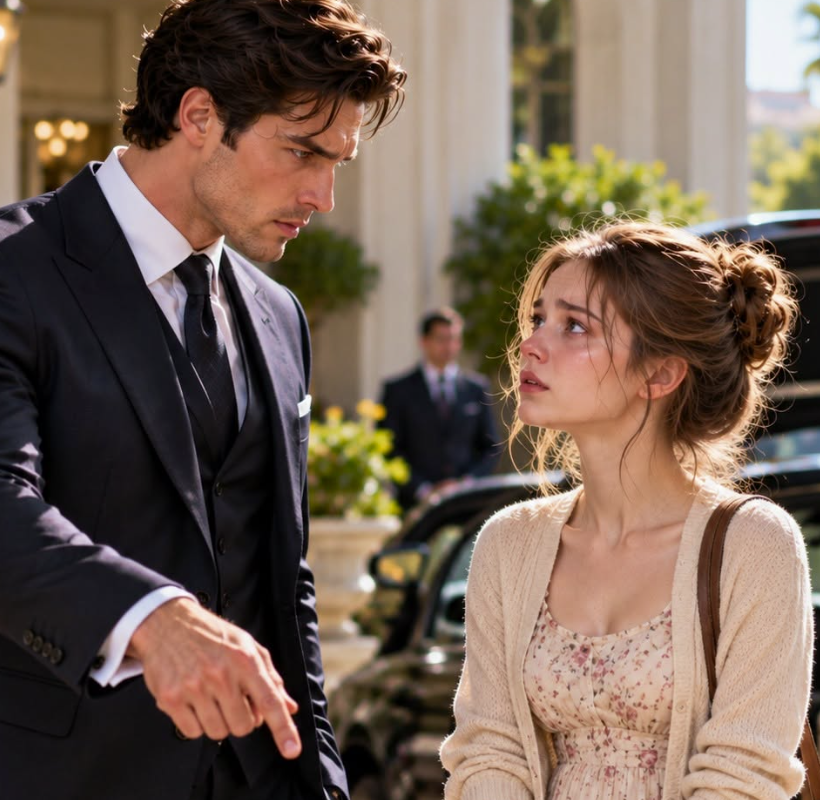
Natasha stared at the back of his neck.
There was a small pale scar just above his collar, a souvenir from a knife fight when he was twenty-two. She had kissed that scar a hundred times in the dark, usually without waking him. She knew the exact texture of it better than she knew the face of her own father.
Right now it looked like a target.
“I don’t want the money,” she said.
Leo turned.
His eyes were flat and dark and calculating—the look he kept in reserve for rival bosses, for politicians who asked for too much, for men who came to his table believing they had leverage. She had seen it aimed at other people across a hundred rooms.
She had never once had it aimed at her.
“Take it,” he said. “It’s severance. You earned it, Natasha. Three years of keeping your mouth shut. Patching me up when the doctors couldn’t know. Smiling at the right people and not smiling at the wrong ones. It’s business.”
He said the word twice.
*Business. Business.*
It settled in her chest, right beside the nausea she had been fighting since six that morning.
She had known what she was. She had never once pretended otherwise. She was the woman the Tomlin family whispered about at weddings and never acknowledged at funerals. She was the name that did not appear on any guest list. She had made peace with the shape of that life years ago, and she had done it honestly—she had looked at the arrangement and decided that whatever it was, there was something real underneath it.
She had thought the way he held her when the nightmares woke him meant she was more than an asset.
A week ago Leo’s uncle Carlo had died. The power vacuum had sucked all the oxygen out of their lives overnight—men who had been loyal to a dead man suddenly discovering new loyalties, cousins appearing from nowhere with careful questions. Yesterday Leo had secured his seat at the head of the table.
Today he was clearing house.
Wives were for alliances. Mistresses were liabilities. She had heard him say it once, to Donigan, in the car, and she had made herself believe it was about other men.
Natasha stood up.
She was wearing a plain black sweater and jeans. In that room—all obsidian, all linen, all imported Italian leather and cold marble—she looked like somebody who had been photographed in the wrong decade.