
Chapter 3
Frequently Asked Questions (FAQs)
1. Am I legally obligated to care for a disabled sibling after my parents pass away?
No. Under the law in almost all jurisdictions, adult siblings are not automatically granted legal or financial responsibility for a sibling with special needs. Responsibility only occurs if you voluntarily sign legal documents to become their official guardian or take over power of attorney.
2. What happens to a severely disabled person if their parents pass away without a plan?
If parents pass away without a formal plan and no relative steps forward to assume care, the individual becomes a ward of the state. A judge will typically appoint a professional state public guardian, and social services will coordinate housing within a state-funded group home, specialized residential facility, or assisted living environment.
3. How do you handle the guilt of leaving a high-needs household?
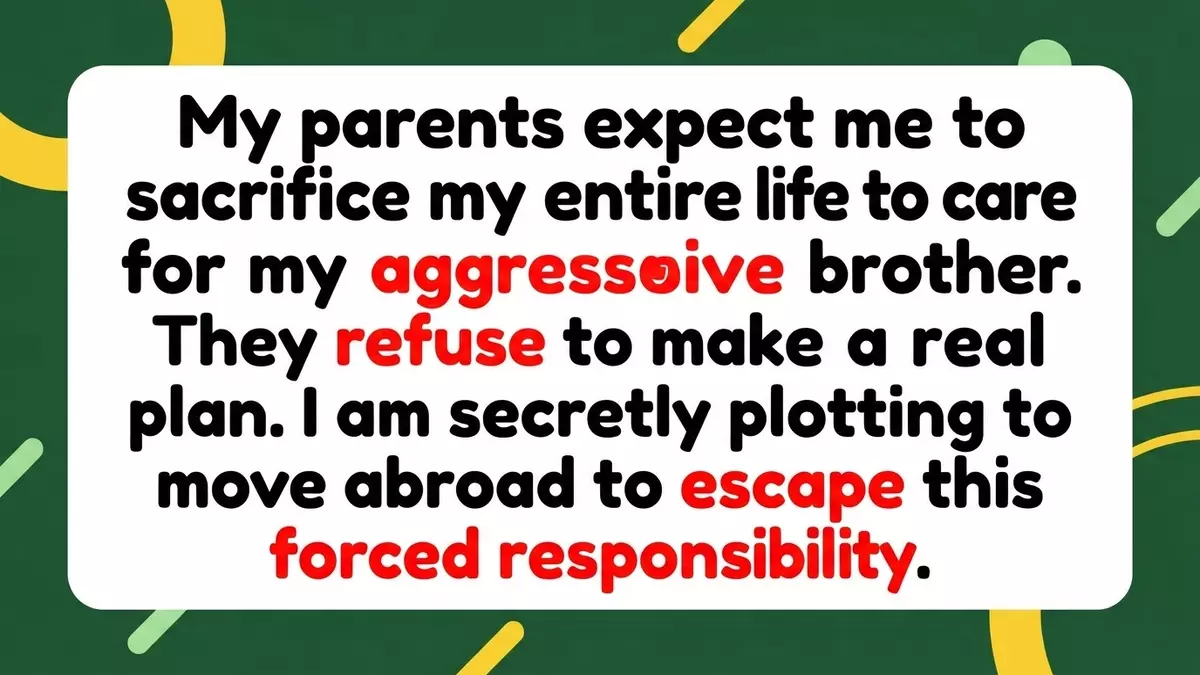
Acknowledge that guilt is a natural side effect of setting hard boundaries, but understand that your presence cannot fix systemic parental denial. Remind yourself that you have a right to your own life, safety, and mental peace. Speaking with a therapist who specializes in family dynamics and parentification can provide critical emotional support.
4. What steps should parents take to avoid placing caregiving burdens on siblings?
Parents should initiate long-term care planning as early as possible. This includes working with an estate attorney to set up a special needs trust, funding the trust through life insurance policies, getting on waitlists for government-funded residential group homes, and appointing professional or corporate trustees rather than surviving siblings.
5. Can a sibling assist their special needs family member without becoming a full-time caregiver?
Yes. Many siblings choose a hybrid approach where they serve as an emotional support or an external advocate. You can visit your sibling in their residential facility, monitor the quality of care they receive from professionals, and participate in holiday celebrations without taking on the grueling, daily physical responsibilities of a live-in caretaker.