
Chapter 12
The first conversation had begun months before the bachelor weekend.
Grant complained that Reed would bring me into the hotel and I would start asking questions. Avery replied that I always wanted to see the paperwork before believing anyone.
Reading that felt worse than an insult. A quality she had once praised had become the obstacle they wanted to remove.
Their relationship was already established by then. The room video had been made deliberately, using Reed's jacket, which Grant had taken from the garment bag left in the hotel's preparation suite.
The pregnancy came later. When Avery discovered it, Grant saw an opportunity to make the staged video more damaging.
He knew Reed's diagnosis. He assumed I did not.
He wrote that his brother would rather disappear than discuss his fertility in front of a room full of people. Avery asked what would happen if I demanded proof.
She'll leave before she knows what to demand, he answered.
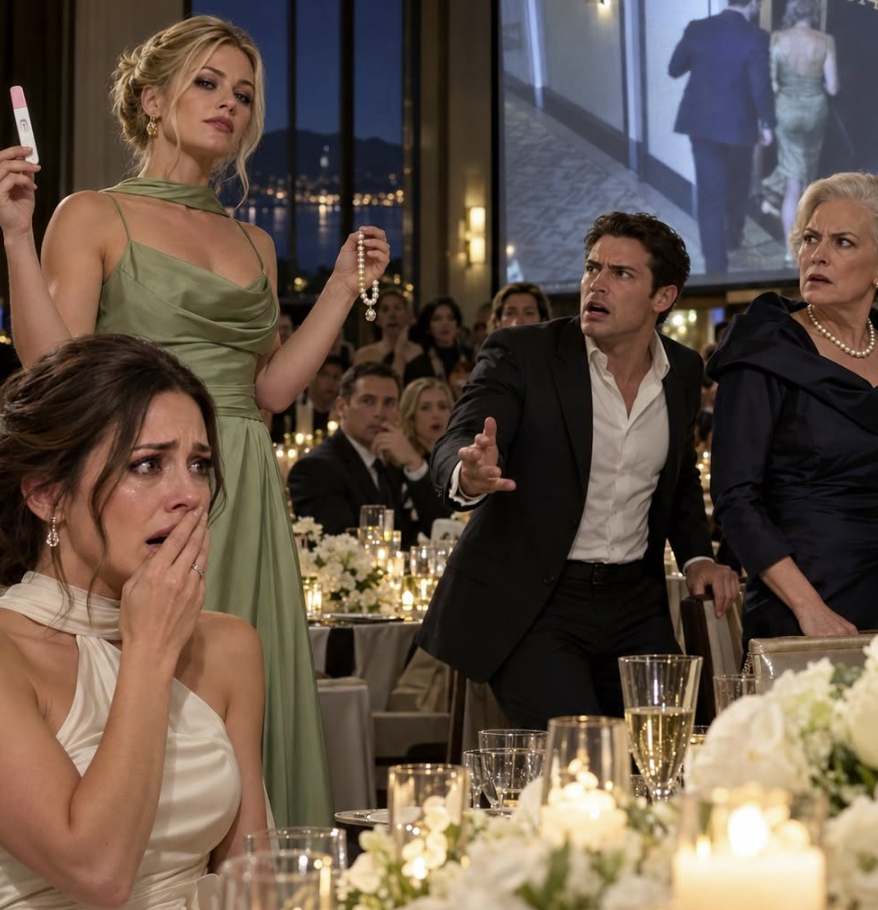
He had arranged the announcement for the night before the ceremony, when my suitcase was packed, my relatives had arrived, and every decision seemed urgent.
The plan depended on embarrassment working faster than thought.
Another exchange concerned the purchase offer.
Grant wanted Reed to accept $180,000 for his interest in the business. An older independent valuation had indicated a substantially higher value, though a current appraisal was still necessary.
Reed had insisted on that appraisal. Grant wanted him ashamed enough to stop insisting.
Avery asked whether Marjorie would make her baby an heir.
Grant answered that the child was not the point of the documents. He needed control of Reed's shares and continued control of the accounts.
Her talk about "his baby" had been designed to frighten a room. The financial plan was about making a living shareholder give up something he already owned.
Marjorie read the relevant pages sitting beside Reed at her dining-room table. She took off her glasses and folded them carefully.
"I told you both to let Grant handle things after your father died," she said.
Reed looked toward the window.
"You were grieving."
"That explains why I stopped checking. It doesn't make the cost disappear."
She turned toward me.
"I have asked you to be patient with this family more than once. I won't ask you to be patient with harm."
I didn't know what to say. For days, I had prepared myself for the familiar demand that a woman preserve everyone's comfort by swallowing what had happened to her.